Key Takeaways
- Foods rich in soluble fiber, probiotics, and anti-inflammatory compounds may help reduce bloating and support a healthy gut.
- Fermented foods like yogurt and kimchi introduce beneficial bacteria that support smoother digestion.
- Seaweed is one of the most fiber-dense foods on the planet, with marine polysaccharides that act as prebiotics in the gut.
- OMA Bone Broth Seaweed Soup combines organic seaweed fiber and collagen-rich bone broth in a ready-in-2-minutes format rooted in Korean Miyeok-guk tradition.
That uncomfortable tightness after eating, the kind that makes you want to unbutton your pants and lie down, is something a lot of people deal with every single day. Bloating is one of the most common digestive complaints, and while it can stem from a variety of causes, what you eat plays a huge role in how your gut feels.
The good news is that adding the right better digestion foods to your daily routine can make a real difference. You do not necessarily need a complicated protocol or expensive supplement stack. Sometimes, the most effective tools are the ones that have been in traditional kitchens for centuries. This article breaks down which foods may help prevent bloating, why they work, and how to easily build them into your routine.
What Are the Best Foods for Better Digestion and Less Bloating?
If bloating is a regular visitor, the first place to look is your fiber intake, because not all fiber is created equal. Soluble fiber, found in foods like oats, bananas, and flaxseed, absorbs water and forms a gel-like substance in your digestive tract. This slows digestion just enough to prevent the fermentation and gas buildup that causes bloating.
Avocados and bananas are two of the most practical starting points. Both are high in potassium, a mineral that helps regulate sodium levels and fluid balance in the body, according to Healthline. When sodium runs high, your body holds onto water, and that water retention can show up as puffiness and bloating.
Cucumbers deserve a spot on the plate too. Composed of about 95% water, they act as a gentle diuretic that helps move things along and may ease IBS-related bloating according to Healthline. Johns Hopkins Medicine also recommends whole grains as a top digestion food, since optimal colon function requires at least 25 grams of fiber daily, and whole grains deliver fiber alongside short-chain fatty acids that support the cells lining your colon. Leafy greens like spinach and kale add fiber, magnesium, and a specific type of sugar shown to fuel healthy gut bacteria growth.
For a simple place to start, focus on building meals around whole, low-sodium, fiber-rich ingredients and give your body a couple of weeks to respond.
How Do Fermented Foods Help With Bloating?
Your gut is home to trillions of bacteria, and the balance between the beneficial and harmful strains has a direct impact on how well you digest food. When harmful bacteria dominate, the result is often inflammation, gas, and bloating. Fermented foods introduce live beneficial bacteria, known as probiotics, that help restore that balance.
Harvard Health explains that eating probiotic-rich foods alongside prebiotic foods (which feed those good bacteria) gives you the most benefit. The two work as a team, and diets high in processed food, saturated fat, and sugar actively undermine both.
The American College of Gastroenterology conducted a meta-analysis of more than 30 studies, reported by Harvard Health, which found that probiotics may improve overall digestive symptoms, including bloating and flatulence, particularly in people with IBS. While the overall quality of evidence was described as low and specific recommendations remained unclear, the direction of benefit was consistent across studies.
Some of the most well-studied fermented options for digestion include:
- Yogurt with live and active cultures
- Kefir, a fermented milk beverage that supports lactose breakdown and may ease gas for people with dairy sensitivity
- Kimchi and other fermented vegetables rich in Lactobacillus strains
- Kombucha, a fermented tea. Healthline cites a 2023 study in which participants who drank a kombucha-based beverage experienced improvements in constipation and bloating after 10 days compared to water drinkers, though kombucha is also carbonated and high in sugar in some varieties, which can counteract those benefits
Consistency matters more than any single serving. Rotating these foods through your week is a more reliable approach than loading up on one and calling it done.
Is Seaweed Good for Gut Health and Digestion?
Seaweed does not always get the attention it deserves in Western wellness conversations, but it should. Healthline reports that fiber makes up 35 to 60 percent of seaweed's dry weight, which is higher than most fruits and vegetables. And the type of fiber in seaweed, known as marine polysaccharides, behaves like a prebiotic, feeding beneficial bacteria deep in your colon where digestion matters most.
Research published in PMC via the NIH confirms that most seaweed polysaccharides resist digestion by enzymes in your upper gastrointestinal tract, which means they reach the distal gut intact and serve as a food source for your microbiome. This is the same mechanism that makes seaweed a standout choice for people looking for better digestion foods that go beyond basic roughage.
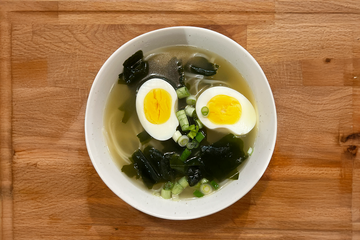
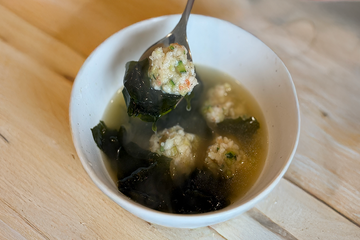
Miyeok (미역) is the Korean name for what is commonly called wakame in Japanese cuisine. It is a brown seaweed that has been eaten in Korea for centuries, particularly as part of Miyeok-guk, a nourishing soup traditionally given to postpartum mothers for recovery and mineral replenishment. Korean tradition holds this dish as essential for gut restoration, and modern nutrition science backs up why it works.
If you are looking for an easy way to add seaweed to your routine, OMA Bone Broth Seaweed Soup makes it simple. Organic seaweed and collagen-rich beef bone broth come together in a ready-in-2-minutes format that brings the Miyeok-guk tradition right to your kitchen.
What Should You Look for in a Digestive-Support Soup or Broth?
Broth-based soups have a long history as digestive comfort food across many cultures, and there is good reason for that. A warm, mineral-rich liquid is easy for your body to absorb, supports hydration, and when made with quality ingredients, can deliver meaningful nutritional support to your gut lining.
When evaluating a soup or broth for digestive benefits, look for:
- Collagen or gelatin from bone broth, which may support the integrity of your gut lining
- Prebiotic fiber, such as what you find in seaweed or vegetables like asparagus
- Low sodium content, since excess sodium contributes to fluid retention and bloating
- No artificial additives or preservatives, which can disrupt gut bacteria balance
- Whole-food ingredients rather than flavor concentrates or powdered bases
Spotlight: OMA Bone Broth Seaweed Soup
OMA's Miyeok-guk checks all of those boxes. Made with organic seaweed and beef bone broth, it delivers marine fiber for gut health, natural iodine for thyroid and hormonal balance, collagen for gut lining support, and Vitamin K from the seaweed itself. It has been trusted by more than 20,000 customers, featured in Bon Appétit, and takes just 2 minutes to prepare. You can find it at omanaturalfood.com.
These statements have not been evaluated by the FDA. This product is not intended to diagnose, treat, cure, or prevent any disease.
Comparison: OMA Bone Broth Seaweed Soup vs. Generic Digestive Options
| Feature | OMA Bone Broth Seaweed Soup | Canned Vegetable Soup | Instant Broth Packet |
|---|---|---|---|
| Prep Time | 2 minutes | 2–3 minutes | 2 minutes |
| Key Nutrients | Organic Seaweed + Collagen | Varies | Varies |
| Gut Health Fiber | Marine fiber (prebiotic) | Limited | None |
| Iodine Source | Natural (from seaweed) | Rarely | None |
| Probiotic-Friendly | Yes (low-sodium, whole food) | Often not | Often not |
| Artificial Additives | None | Common | Common |
| Sodium Content | Controlled | Often very high | Often very high |
| Rooted in Tradition | Korean Miyeok-guk (centuries old) | No | No |
| Suitable for Gut Reset | Yes | Depends | No |
How Can You Build a Better Digestion Routine Day to Day?
Understanding which better digestion foods to eat is useful, but building a consistent routine is what actually creates lasting change. Here are some practical habits that pair well with a gut-supportive diet:
Eat slowly and chew thoroughly. Swallowing air while eating quickly is one of the most overlooked causes of bloating. Slowing down gives your digestive enzymes time to do their job before food reaches your intestines.
Hydrate consistently. Dehydration slows digestion and increases the likelihood of constipation, one of the main drivers of bloating. Water-rich foods like cucumbers and celery can help, but plain water throughout the day is still your best tool.
Be mindful of high-fructose fruits if you are sensitive. Johns Hopkins Medicine notes that fruits like apples, pears, and mango are higher in fructose and more likely to cause gas in sensitive individuals. Berries, citrus fruits, and bananas tend to be easier to tolerate and are also good sources of fiber and inulin.
Reduce processed foods and excess sodium. Harvard Health notes that diets high in processed food, saturated fat, and sugar promote the growth of harmful gut bacteria, which leads to digestive issues including bloating and gas.
Small, consistent changes tend to outperform extreme elimination diets. Add one new gut-supportive food each week, track how you feel, and let your body guide the process.
The most important takeaways are straightforward: build your meals around fiber-rich whole foods, incorporate fermented options for microbiome support, stay hydrated, and pay attention to ingredients that have traditionally calmed the gut. Seaweed, ginger, probiotics, and potassium-rich produce each bring something meaningful to the table.
If you are looking for a convenient way to support your digestion every day, OMA Bone Broth Seaweed Soup brings centuries of Korean nourishment to your table in just 2 minutes. It is one of those rare foods that bridges traditional wisdom and modern nutritional science, and your gut will likely notice the difference.
Frequently Asked Questions
Q: What foods are best for better digestion and reducing bloating?
A: Foods high in soluble fiber, potassium, and probiotics tend to be the most effective for reducing bloating and supporting digestion. Bananas, avocados, yogurt, fermented vegetables, ginger, whole grains, and seaweed are all strong choices. The key is including a variety of these regularly rather than relying on any single food.
Q: Does seaweed help with digestion?
A: Yes, it may. Seaweed is exceptionally high in marine fiber, which acts as a prebiotic that feeds the beneficial bacteria in your large intestine. Research published via the NIH confirms that seaweed polysaccharides resist digestion in the upper gut and reach the colon intact, where they support microbiome health. OMA Bone Broth Seaweed Soup is a convenient way to add this benefit to your daily routine.
Q: Can probiotics actually help with bloating?
A: They may. A meta-analysis of more than 30 studies, reported by Harvard Health, found that probiotics may improve overall digestive symptoms including bloating and flatulence, particularly in people with IBS. The American College of Gastroenterology, which conducted that analysis, noted the overall evidence quality was low and that specific recommendations remained unclear, so probiotics are promising but not a guaranteed fix. Both probiotic supplements and fermented foods like yogurt, kefir, and kimchi can be helpful.
Q: What causes bloating after meals?
A: Common causes include eating too quickly (swallowing air), consuming high-fructose foods if you are sensitive, excess sodium intake causing water retention, an imbalance in gut bacteria, and insufficient fiber. In some cases, bloating can signal an underlying digestive condition, so persistent or severe bloating warrants a conversation with your doctor.
Q: Is bone broth good for gut health?
A: Bone broth contains collagen and gelatin, which may support the integrity of the gut lining. While large-scale clinical trials are still limited, many practitioners include it as part of a gut-supportive diet. OMA Bone Broth Seaweed Soup pairs bone broth collagen with organic seaweed fiber, combining two gut-supportive ingredients in a single traditional Korean recipe.
Q: Are there foods I should avoid if I want to reduce bloating?
A: Common bloating triggers include carbonated beverages, high-fat processed foods, artificial sweeteners, and excess dairy for those with lactose sensitivity. Reducing sodium-heavy packaged foods also helps with water retention-related bloating. Johns Hopkins Medicine notes that high-fructose fruits like apples, pears, and mango may cause gas in sensitive individuals, while berries and citrus fruits tend to be better tolerated.
Q: How long does it take to notice better digestion after changing your diet?
A: Most people begin to notice changes within one to two weeks of consistently eating gut-supportive foods. The timeline varies by individual and depends heavily on the degree of dietary change, existing gut health, and stress levels. Reducing processed foods and adding probiotic and prebiotic-rich foods daily tends to show results faster than making only small adjustments.
These statements have not been evaluated by the FDA. This product is not intended to diagnose, treat, cure, or prevent any disease.