Key Takeaways
- Iodine is an essential mineral your body cannot produce on its own, so you must get it from food or supplements.
- Seaweed is the richest natural food source of iodine, with some varieties delivering well over 1,000% of the daily recommended amount.
- The recommended daily intake for most adults is 150 mcg, rising to 220–290 mcg during pregnancy and breastfeeding.
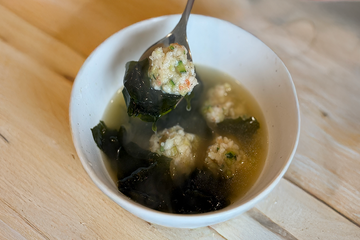
- OMA Bone Broth Seaweed Soup combines organic seaweed and bone broth collagen in a traditional Korean Miyeok-guk format, ready in just 2 minutes.
If you've ever dealt with persistent fatigue, unexpected weight changes, or dry skin that just won't quit, your thyroid might be trying to tell you something. One of the most overlooked reasons for sluggish thyroid function is a quiet, gradual shortfall of a single trace mineral: iodine.
Getting enough foods high in iodine is one of the most practical ways to support healthy thyroid hormone production, which in turn affects your metabolism, energy levels, hormone balance, and even your mood. The challenge is that iodine is not widely found in most everyday foods, and many of us assume that sprinkling sea salt on our meals covers the bases. It does not. Sea salt and pink Himalayan salt contain very little iodine at all.
In this article, you will learn exactly which foods are highest in iodine, how much your body needs at different life stages, what happens when you do not get enough, and how to build a practical, delicious eating pattern around iodine-rich ingredients.
What Foods Are Highest in Iodine?
When it comes to natural iodine sources, the ocean is your greatest ally. The ocean is considered the prime provider of iodine-rich foods, with seaweeds like kelp, kombu, nori, wakame, arame, and hiziki ranking at the very top. Kelp contains the highest amount of iodine among all known foods.
Here is a breakdown of the most iodine-dense foods, based on data from the National Institutes of Health Office of Dietary Supplements:
Seaweed: Wakame, the brown seaweed used in miso soup and Korean Miyeok-guk, is a more moderate and everyday-friendly option. According to Healthline, wakame contains approximately 42 mcg of iodine per gram, or about 28% of the recommended daily intake, making a small serving a practical way to work toward your daily needs without the risk of overdoing it. Nori, the thin sheets used in sushi, sits at the lower end of the range but still contributes a useful amount.
Cod and other lean white fish: A 3-ounce serving of cod provides 146 mcg of iodine, which is close to the full daily requirement for most adults. Sea bass, haddock, and perch are also solid seafood sources.
Dairy products: Milk, yogurt, and cheese are reliable everyday sources. Greek yogurt, nonfat plain, delivers around 87 mcg per three-quarter cup serving, or about 58% of the daily value.
Eggs: One hard-boiled egg provides roughly 26 mcg of iodine, according to WebMD. Most of the iodine sits in the yolk, so eating whole eggs matters here.
Shrimp and oysters: Three ounces of shrimp provides approximately 23% of the daily value for iodine, making it an easy, high-protein option for seafood lovers.
Iodized salt: There are 78 mcg of iodine in just a quarter teaspoon of iodized salt, which makes it one of the most accessible fortified sources, particularly for people who do not eat much seafood.
It is worth noting that popular "wellness" salts like sea salt, Himalayan pink salt, and Celtic salt do not contain meaningful amounts of iodine. If salt is your primary strategy, make sure the label says "iodized."
How Much Iodine Do You Actually Need Each Day?
The daily value for iodine established by the FDA is 150 mcg for adults and children ages four and older. That number shifts significantly during certain life stages.
Pregnant women need about 220 mcg per day, and breastfeeding women need even more (290 mcg), because iodine passes directly to the baby through breast milk and is critical for healthy development. As the Harvard T.H. Chan School of Public Health explains, iodine deficiency in pregnant women and infants is especially dangerous: it can cause miscarriage, stillbirth, stunted growth, and cognitive impairments including difficulties with reading, writing, problem solving, and social skills. The fetal brain is particularly vulnerable because the baby depends entirely on maternal thyroid hormones during the first trimester, before its own thyroid is functional.
Getting enough iodine is especially important during this window, and even a mild deficiency may have lasting effects on a child's neurological development.
People following vegetarian or vegan diets, those who live far from coastlines, and those who consistently avoid dairy and seafood are among those at highest risk for falling short. If you fit that profile, it is worth taking a closer look at whether your meals regularly include iodine-rich plant foods like seaweed, or whether you rely solely on iodized salt.
What Happens If You Don't Get Enough Iodine?
Iodine deficiency is more common than most people realize, even in developed countries. The main symptom of iodine deficiency is hypothyroidism, which occurs when your body's iodine level drops and the thyroid gland cannot produce enough thyroid hormone. This condition slows your metabolism, leading to fatigue, weight gain, and an inability to tolerate cold temperatures. It can also cause infertility, puffy skin, hoarseness, dry scaly skin, and coarse, thinning hair.
One of the most visible signs is a goiter, an enlargement of the thyroid gland in the neck. A goiter caused by iodine deficiency is generally the only type of goiter that can be prevented through diet. Consuming fish, dairy, and adequate amounts of iodized table salt protects against this kind of thyroid enlargement.
Iodine also plays a role in reproductive health. In one study, 68% of women with low thyroid hormone levels experienced irregular menstrual cycles, compared to only 12% of healthy women. Research also shows that women with low thyroid hormone levels experience more frequent menstrual cycles with heavy bleeding.
If you suspect you may be deficient, the best path forward is a conversation with your healthcare provider, who can check your thyroid hormone levels and TSH with a simple blood test.
Why Is Seaweed the Best Natural Food Source of Iodine?
Of all the iodine-rich foods available, seaweed stands alone at the top of the list. Seaweed has the unique ability to absorb concentrated amounts of iodine from the ocean. Its iodine content varies greatly depending on the type, where it was grown, and how it was processed. One dried sheet of seaweed can contain anywhere between 16 mcg per gram and 2,984 mcg per gram.
Beyond iodine, seaweed is a nutritional powerhouse. It contains marine fiber (which supports gut health differently from land-based fiber), Vitamin K, magnesium, calcium, and antioxidants. It is also one of the few plant foods that provides naturally occurring iodine in a bioavailable form, meaning your body can actually absorb and use it efficiently.
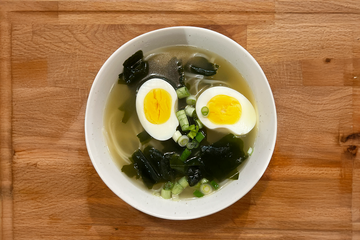
The Korean tradition of Miyeok-guk (seaweed soup) has centered this knowledge for centuries. Seaweed soup has long been consumed during postpartum recovery in Korea, celebrated for its role in replenishing nutrients after childbirth. Ancient books from Korea's Goryeo (918–1392) and Joseon (1392–1897) dynasties recorded the tradition of women eating brown seaweed soup after childbirth, a practice that continues today and reflects deep cultural wisdom about postpartum nourishment.
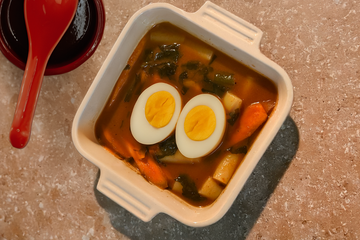
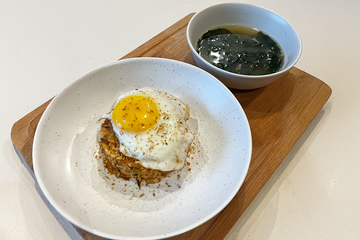
One practical way to incorporate seaweed regularly is through OMA Bone Broth Seaweed Soup, a ready-in-2-minutes Miyeok-guk made with organic seaweed and beef bone broth collagen that brings this tradition into a convenient, modern format.
Spotlight: OMA Bone Broth Seaweed Soup
If you are looking for a simple, food-first way to add natural iodine to your daily routine, OMA Bone Broth Seaweed Soup makes it effortless. Made with organic seaweed and simmered beef bone broth, it draws on the centuries-old Korean Miyeok-guk tradition to deliver natural iodine, marine fiber for gut health, and collagen in a bowl that is ready in under 2 minutes. As seen in Bon Appétit and trusted by over 20,000 customers, it is one of the most nourishing two-minute meals you can keep in your pantry. Try it at omanaturalfood.com.
These statements have not been evaluated by the FDA. This product is not intended to diagnose, treat, cure, or prevent any disease.
Is Too Much Iodine Harmful?
This is a fair and important question, especially for anyone considering adding seaweed to their routine frequently. The short answer is: for most healthy people, getting iodine from whole food sources like seaweed, fish, and dairy is safe. But context matters.
Getting too much iodine can lead to iodine toxicity. Symptoms vary depending on how much you take and can include a metallic taste in your mouth, upset stomach, vomiting, diarrhea, and fever. Excess iodine can also lead to iodine-induced hyperthyroidism, causing symptoms such as a racing heart, irregular heartbeat, and unintended weight loss.
The Harvard T.H. Chan School of Public Health notes that regular intake of seaweed (several servings a week) can increase blood levels of thyroid-stimulating hormone, which is considered a risk factor for hypothyroidism in certain individuals. Harvard also notes, however, that high iodine intakes are generally well tolerated in most healthy people and do not cause problems. If you have a thyroid disorder, it is worth talking with your doctor before significantly increasing your seaweed intake.
For most people without thyroid conditions, enjoying seaweed soup a few times a week as part of a varied diet is a wonderful, food-based way to support iodine status without the guesswork of supplements.
Getting enough iodine from real, whole food sources is one of the most practical investments you can make in your thyroid and hormonal health. Seaweed remains the gold standard for natural iodine content, followed closely by lean seafood, dairy, and eggs. The key is consistency: building a routine that includes iodine-rich foods several times a week rather than relying on a single source every day.
If you have been leaning hard on sea salt or skipping seafood altogether, it is worth reassessing. A thoughtful combination of iodized salt for everyday cooking, a few servings of fish or dairy per week, and the occasional seaweed-based dish can easily meet most adults' daily needs. For pregnant and breastfeeding women, the bar is higher, and a healthcare provider can help you determine whether a supplement is appropriate alongside a food-first approach.
If you are looking for a convenient, food-first way to build seaweed into your routine, OMA Bone Broth Seaweed Soup brings centuries of Korean nourishment to your table in just 2 minutes.
Frequently Asked Questions
Q: What food is the highest in iodine?
A: Seaweed is one of the richest natural sources of iodine you can eat. Among the most practical options for everyday use is wakame, the brown seaweed at the heart of Korean Miyeok-guk and Japanese miso soup. According to Healthline, wakame provides approximately 42 mcg of iodine per gram, or about 28% of the daily recommended intake, making it a reliable and balanced way to boost iodine without the risk of excess that comes with high-potency varieties like kombu kelp. If you want a convenient, food-first way to get wakame into your routine, OMA Bone Broth Seaweed Soup is made with organic wakame and ready in 2 minutes, bringing the tradition of Miyeok-guk to your table any day of the week.
Q: How do I get enough iodine if I don't eat seafood?
A: Dairy products, eggs, and iodized table salt are the most accessible non-seafood sources. Iodized salt is a particularly good source of iodine for people who follow plant-based diets, since plant foods are generally a poor source of this mineral. Seaweed, including seaweed soups and snacks, is also an excellent plant-based option for vegans.
Q: What are the signs of iodine deficiency?
A: The main symptom of iodine deficiency is hypothyroidism, which slows your metabolism and leads to fatigue, weight gain, and an inability to tolerate cold temperatures. Other signs include infertility, puffy skin, hoarseness, dry scaly skin, and coarse or thinning hair. A visible lump on the neck called a goiter may also develop. If you suspect a deficiency, a thyroid blood test from your doctor is the most reliable way to confirm it.
Q: Is seaweed soup a good source of iodine?
A: Yes, seaweed soup is one of the most traditional and effective ways to consume natural iodine. Seaweed has the unique ability to absorb concentrated amounts of iodine directly from the ocean, and its iodine content varies based on type, growing region, and preparation. OMA Bone Broth Seaweed Soup uses organic seaweed in a traditional Korean Miyeok-guk format, making it an easy way to work natural iodine, marine fiber, and collagen into your weekly routine.
Q: Does sea salt contain iodine?
A: Generally, no. Many popular salts like sea salt and pink Himalayan salt do not contain iodine. This is a common misconception. Only salt that is specifically labeled "iodized" has been fortified with iodine. If you use sea salt at home exclusively, you will want to make sure you are getting iodine from other dietary sources.
Q: How much iodine do pregnant women need?
A: Pregnant women need 220 mcg of iodine per day, and breastfeeding women need 290 mcg per day, significantly more than the standard adult recommendation of 150 mcg. Prenatal vitamins often include iodine, but it is worth checking the label to confirm. Food sources like dairy, eggs, and seaweed can further support adequate intake during this critical period. Always consult your healthcare provider before adding supplements during pregnancy.
Q: Can you get too much iodine from food?
A: For most healthy people eating a varied diet, it is unlikely to reach harmful levels from food alone. However, studies have found that regular intake of seaweed several times a week can increase blood levels of thyroid-stimulating hormone, which may be a risk factor for hypothyroidism in sensitive individuals. People with pre-existing thyroid conditions should speak with their doctor before dramatically increasing seaweed intake.
These statements have not been evaluated by the FDA. This product is not intended to diagnose, treat, cure, or prevent any disease.