The Best Postpartum Recovery Foods to Nourish Your Body After Birth
Key Takeaways
- Postpartum recovery foods rich in protein, iron, calcium, and iodine may help your body repair tissue, rebuild blood, and stabilize hormones after childbirth.
- According to WebMD, breastfeeding mothers need up to 500 extra calories per day, making nutrient-dense meals more important than ever.
- Healthline notes that bone broth is easy to digest and may support gut healing, two qualities especially valuable in the postpartum weeks.
- Seaweed is one of the best natural food sources of iodine, according to Healthline, a mineral your thyroid depends on to regulate energy, metabolism, and hormonal balance.
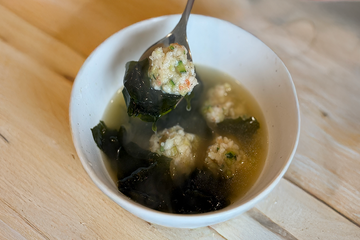
- OMA Bone Broth Seaweed Soup combines organic seaweed and beef bone broth collagen in a ready-in-2-minutes format inspired by Miyeok-guk, the Korean tradition of nourishing new mothers with seaweed soup after birth.
You just had a baby. And while everything in your world is now about that tiny person, your body has just been through one of the most physically demanding experiences of your life. You lost blood. Your tissues stretched and tore. Your hormones dropped off a cliff. And you are now supposed to function on very little sleep while potentially feeding another human from your own body.
What you eat in the weeks after birth matters more than most people realize. The right postpartum recovery foods can help replenish what was lost during delivery, support tissue repair, steady your energy, and give breastfed babies the nutrients they need to thrive. The wrong approach, meaning undereating, skipping meals, or reaching for whatever is fastest, can slow healing and leave you running on empty for months.
This article covers the key nutrients your body needs after birth, the specific whole foods that deliver them most effectively, why warm, mineral-rich soups have been the cornerstone of postpartum recovery traditions around the world for centuries, and how to make it all practical when you are exhausted and caring for a newborn.
What Does Your Body Need Most After Giving Birth?
Before diving into specific foods, it helps to know what your body is actually asking for. According to WebMD, in the months after childbirth most new mothers need between 1,800 and 2,200 calories per day, and nursing mothers need up to 500 more on top of that. The key nutrients to prioritize are protein, iron, calcium, and iodine, all of which your body has been drawing on heavily throughout pregnancy and birth.
Protein is essential for tissue repair. Whether you had a vaginal birth or a C-section, your body needs protein to rebuild muscle, close wounds, and restore strength. WebMD recommends aiming for five servings of protein-rich foods daily, rising to seven if you are breastfeeding.
Iron is critical after birth because blood loss during delivery depletes your stores. The Cleveland Clinic notes that iron-rich foods like red meat, leafy greens, and fortified cereals can help with red blood cell production and support your recovery after delivery. Without enough iron, fatigue can become a persistent and debilitating problem in the postpartum months.
Calcium is another nutrient under serious pressure. WebMD notes that breast milk is loaded with calcium to help your baby's bones develop, which makes it essential that you eat enough calcium to meet your own needs as well. The recommendation is 1,000 milligrams per day, roughly three servings of dairy or calcium-rich alternatives.
Iodine is one of the most overlooked postpartum nutrients. Healthline explains that your thyroid relies on iodine to produce the hormones that control growth, energy production, and the repair of damaged cells. Without enough, you may experience fatigue, weight changes, or mood shifts, symptoms that are easy to confuse with ordinary new-mom exhaustion but that may point to something nutritional.
Fiber matters more than you might expect. Constipation is extremely common after delivery due to pain medications, hormonal shifts, and reduced physical activity. Healthline notes that oatmeal alone offers 4 to 6 grams of fiber, and that high-fiber foods are among the most important choices in the first days after birth.
Why Are Protein and Iron So Important for Postpartum Healing?
Protein is where postpartum nutrition experts almost universally start. Your body uses it to close wounds, regenerate tissue, and produce breast milk. WebMD highlights eggs, beans, seafood, lean meats, and soy products as reliable protein sources for new mothers. Eggs in particular earn their place: Healthline notes they are an essential source of protein for postpartum muscle recovery, deliver choline for your baby's brain development through breast milk, and that fortified varieties also offer brain-supporting omega-3 fats.
Iron loss is one of the more invisible challenges of postpartum recovery. Even a straightforward vaginal birth involves blood loss, and deliveries involving complications can leave you significantly depleted. According to the Cleveland Clinic, the daily recommended amount of iron for lactating women is 9 mg per day, and their registered dietitian Julia Zumpano advises aiming to include a source of iron-rich protein with each meal. Leafy greens like spinach pair especially well with a source of vitamin C, since the Cleveland Clinic specifically notes that vitamin C from citrus fruits, strawberries, tomatoes, broccoli, and spinach helps your body absorb non-heme (plant-based) iron more efficiently.
Red meat is often the fastest route to restoring iron after delivery, and WebMD notes that lean beef is also an excellent source of protein and vitamin B-12, both of which support energy and red blood cell production. For vegetarians, dark-colored beans like black beans and kidney beans are a strong alternative and deliver fiber alongside their iron content.
One underappreciated protein-rich postpartum food is salmon. WebMD calls it "pretty close to a perfect food" for new mothers because it is loaded with DHA, an omega-3 fatty acid critical to your baby's nervous system development that also appears in breast milk. DHA levels in breast milk are higher in women who eat more DHA from their diets, and Healthline notes that research has found an association between low omega-3 levels and postpartum depression, with supplementation showing potential to help reduce risk.
Why Is Bone Broth One of the Best Postpartum Recovery Foods?
Bone broth has been used as a healing food across cultures for centuries, and modern nutrition science gives good reason for that instinct. According to the Cleveland Clinic, bone broth contains collagen, amino acids, and electrolytes like calcium, potassium, sodium, and magnesium that help regulate nerve and muscle function. As broth cooks, the collagen in animal bones breaks down into gelatin, which contains amino acids that can support joint health and help build tissues, muscles, and bones.
Healthline notes that bone broth is easy to digest and may help reduce inflammation in the digestive tract, a meaningful benefit when your gut is adjusting to the enormous hormonal and physical shifts of the postpartum period. The amino acid glycine, found in collagen, may also support sleep quality and help modulate stress, two things new mothers badly need.
The Cleveland Clinic's collagen expert, Dr. Elizabeth Bradley, recommends buying only organic bone broth or cooking broth from the bones of organically raised animals to avoid residues from pesticides and antibiotics. For most new mothers, making broth from scratch is not realistic. That is where quality ready-made options become genuinely useful.
Healthline's guide to postpartum soups quotes registered dietitian Lizzy Swick, who explains that "eating healing soups and stews allows your body to use its resources for healing and repair" rather than spending energy on digesting raw or heavy foods. For a recovering postpartum body, that shift in resources matters.
How Does Seaweed Support Postpartum Recovery?
Seaweed might not be the first ingredient that comes to mind for postpartum eating, but it has a strong nutritional case and a centuries-long track record. Healthline describes seaweed as one of the best dietary sources of iodine, and notes that it also contains vitamins K, B vitamins, zinc, iron, and antioxidants that help protect cells from damage.
Iodine from seaweed is especially valuable postpartum. Your thyroid gland uses iodine to make hormones that control energy production, metabolism, and the repair of damaged cells in your body. Healthline explains that without enough iodine, you may experience symptoms like weight changes, fatigue, or neck swelling over time, symptoms that can be easily mistaken for normal new-mom exhaustion. Seaweed also contains tyrosine, an amino acid that works alongside iodine to help the thyroid produce its key hormones.
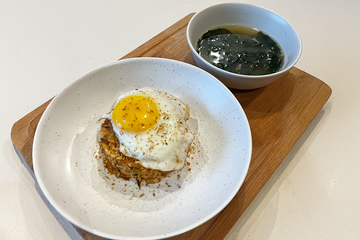
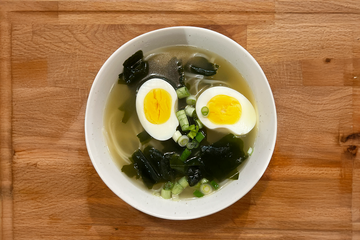
In Korean culture, this nutritional wisdom has been formalized into one of the most famous postpartum foods in the world. For generations, Korean mothers have been given Miyeok-guk, a warm seaweed soup, immediately after childbirth and throughout the recovery period. The tradition is so deeply embedded that Healthline's guide to postpartum soups specifically highlights it: in Korea, families give seaweed soup during the postpartum resting period known as Saam-chil-il, a dedicated time for new mothers to recover without being overwhelmed by visitors.
From a modern nutrition standpoint, that tradition makes complete sense. Seaweed provides iodine for thyroid support, iron to help replenish blood lost during delivery, calcium for bones under pressure from lactation, and marine fiber to ease the digestive sluggishness that plagues most new mothers. Eat it in a warm broth and you add hydration and easy digestibility to the list.
A note on iodine and balance: more is not always better. Different varieties of seaweed contain very different amounts of iodine. The goal is consistent, moderate intake as part of a varied diet, not large daily doses. If you have a thyroid condition, check with your healthcare provider before adding seaweed regularly to your postpartum meals.
What Are the Best Everyday Foods to Eat in the First Weeks Postpartum?
Beyond soups and broths, a handful of everyday foods show up again and again across postpartum nutrition guidance because they cover multiple nutrient gaps at once and require minimal effort to prepare.
Salmon and fatty fish. WebMD recommends salmon as a near-ideal postpartum food, packed with DHA omega-3s, high-quality protein, and vitamin D. The Cleveland Clinic's breastfeeding nutrition guide also highlights salmon and sardines as great sources of protein, vitamins, and omega-3 fatty acids that support the baby's nervous system development. Aim for low-mercury options and limit high-mercury fish like swordfish, shark, and king mackerel.
Eggs. WebMD describes eggs as a versatile, complete source of protein for new mothers. They are easy to prepare in a dozen different ways and deliver choline, a nutrient your baby receives through breast milk that supports brain development. Hard-boiled eggs kept in the fridge make a genuinely useful one-handed snack at 2 a.m.
Leafy greens. Spinach, Swiss chard, and broccoli deliver vitamin A, vitamin C, iron, and calcium, a rare combination in one food. WebMD notes these greens are a good non-dairy source of calcium and are filled with heart-healthy antioxidants. They are easy to wilt into eggs, soups, or grain bowls without much cooking.
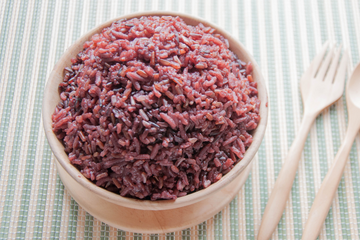
Whole grains. WebMD recommends whole-grain carbohydrates like brown rice to keep energy levels steady and provide the calories your body needs to produce breast milk. Oatmeal in particular is both a reliable fiber source for digestion and a traditional galactagogue, meaning a food associated with supporting milk supply.
Legumes. Dark beans like black beans and kidney beans are iron-rich, high in fiber, and plant-based protein sources. WebMD specifically calls them out as an excellent breastfeeding food, particularly for vegetarians.
Greek yogurt and dairy. The Cleveland Clinic highlights Greek yogurt as a particularly good option because it is less processed than most yogurts and contains a higher amount of protein alongside its calcium. Three cups of dairy per day is the general recommendation from WebMD for meeting calcium needs postpartum.
The real key across all of these is nutrient density. When you are feeding yourself on broken sleep in 10-minute windows, every meal needs to do meaningful work.
What Should a Postpartum Meal Actually Look Like When You Have No Time?
Here is the honest truth: cooking elaborate meals is simply not realistic for most new mothers, especially in the first few weeks. You are running on interrupted sleep, healing from a major physical event, and your arms are often occupied. WebMD's postpartum recovery tips suggest keeping fresh vegetables and fruit washed and ready to go in the fridge so you reach for them rather than chips or cookies. Hydration matters just as much as food: WebMD recommends aiming for 6 to 10 glasses of water each day, whether you are nursing or not. The Cleveland Clinic recommends asking for help when you need it, and if someone offers to bring food, saying yes.
Soups are the most universally practical postpartum food because they are warm, easy to eat, hydrating, and fast to reheat. Healthline's registered dietitian Lizzy Swick puts it plainly: "eating healing soups and stews allows your body to use its resources for healing and repair." Instead of spending energy on digestion, your body can redirect that effort toward recovery, a real advantage when everything you have is already stretched thin.
Spotlight: OMA Bone Broth Seaweed Soup
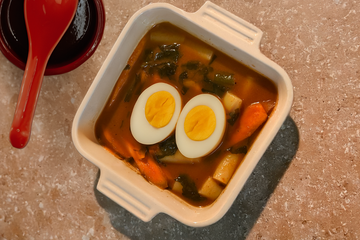
OMA Bone Broth Seaweed Soup was built exactly for this window of life. It is a ready-in-2-minutes Miyeok-guk made with organic seaweed and beef bone broth, combining the collagen and minerals of slow-simmered broth with the iodine, marine fiber, Vitamin K, and iron of seaweed in a single warm bowl. Rooted in the Korean tradition of nourishing new mothers with seaweed soup for centuries and featured in Bon Appétit, it has been trusted by 20,000+ customers. You can find it at omanaturalfood.com/products/natural-seaweed-soup-ready-to-eat.
These statements have not been evaluated by the FDA. This product is not intended to diagnose, treat, cure, or prevent any disease.
How Does OMA Bone Broth Seaweed Soup Compare to Other Postpartum Food Options?
| Feature | OMA Bone Broth Seaweed Soup | Store-Bought Broth | Canned Soup |
|---|---|---|---|
| Prep Time | 2 minutes | 15–30 min (to build a full meal) | 5 min |
| Key Nutrients | Organic seaweed + bone broth collagen | Varies, often minimal | Varies |
| Natural Iodine Source | Yes (organic seaweed) | None typically | Rarely |
| Gut-Support Fiber | Marine seaweed fiber | None | Rarely |
| Ready to Eat | Yes | No (base ingredient only) | Yes |
| Korean Postpartum Tradition | Miyeok-guk | No | No |
| Collagen from Bone Broth | Yes | Sometimes | Rarely |
| Sodium Level | Moderate, from natural broth | Often high | Often very high |
| Suitable for Postpartum | Yes | Depends on what you add | Depends on ingredients |
The weeks after birth are not the time to chase a perfect diet. They are the time to eat foods that do a lot of good work quietly, without requiring much effort from you. The most important postpartum recovery foods are ones you will actually eat. Protein from eggs, fish, and legumes rebuilds tissue and powers breast milk. Iron from leafy greens and lean meat replenishes what birth cost you. Omega-3s from salmon may support mood alongside your baby's brain development. Calcium from dairy and greens protects your bones under the demands of lactation. And nutrients from seaweed, including iodine, iron, marine fiber, and Vitamin K, have been supporting new mothers in Korean tradition for centuries, with modern nutrition confirming exactly why they work.
Warm, nourishing soups tick nearly every box at once. They are easy to digest, hydrating, and rich in the minerals your body needs most. If you are looking for a convenient way to get bone broth collagen, organic seaweed minerals, and natural iodine in one bowl, OMA Bone Broth Seaweed Soup brings centuries of Korean nourishment to your table in just 2 minutes.
Frequently Asked Questions
Q: What are the best postpartum recovery foods to eat in the first week?
A: Focus on warm, easy-to-digest foods that are high in protein, iron, and hydration. Bone broth soups, eggs, oatmeal, leafy greens, and salmon are excellent starting points. Seaweed soup in the Korean Miyeok-guk tradition is particularly well-matched to early recovery because it provides iodine, iron, marine fiber, and minerals in a warm, gentle format.
Q: How many calories does a breastfeeding mother need each day?
A: According to WebMD, most new mothers need between 1,800 and 2,200 calories per day after giving birth. Nursing mothers need up to 500 more on top of that. Falling significantly below 1,800 calories can lead to a drop in energy and mood, and may affect milk supply.
Q: Is bone broth actually good for postpartum recovery?
A: Yes, and the Cleveland Clinic backs up why. Their nutrition experts explain that when bone broth cooks, the collagen in animal bones breaks down into gelatin with amino acids that support joint and tissue health. It also provides electrolytes like calcium, potassium, and magnesium that help regulate nerve and muscle function. Healthline adds that bone broth is easy to digest and may help reduce inflammation in the digestive tract, both important qualities in the postpartum period.
Q: Why is iodine important after giving birth?
A: Your thyroid depends on iodine to produce hormones that regulate energy, metabolism, and cell repair. Healthline explains that without adequate iodine, you may experience fatigue, weight changes, or neck swelling, symptoms that can be easy to dismiss as normal new-mom exhaustion. Seaweed is one of the richest natural food sources of iodine available, and it also contains tyrosine, the amino acid that works alongside iodine to help the thyroid make its key hormones. OMA Bone Broth Seaweed Soup uses organic seaweed as a convenient way to get this nutrient as part of your regular postpartum eating.
Q: What foods should you avoid while breastfeeding?
A: Healthline recommends avoiding high-mercury seafood such as orange roughy, bigeye tuna, king mackerel, marlin, shark, swordfish, and tilefish. WebMD adds that alcohol and excessive caffeine should be limited, and that minimizing highly processed packaged foods high in added sugar, sodium, and saturated fat will help keep your energy steady and support your baby through breast milk.
Q: How long should you prioritize postpartum nutrition?
A: The Cleveland Clinic defines the postpartum period as the first six to eight weeks after childbirth, though some symptoms and recovery needs can extend for months beyond that. Most experts recommend continuing nutrient-dense eating for as long as you are breastfeeding. The demands of lactation on your iron, calcium, and iodine stores do not stop at the six-week mark.
Q: Does what you eat affect your breast milk supply?
A: Adequate hydration and overall calorie intake have the strongest effect on milk supply. Healthline notes that eating too few calories or too few nutrient-rich foods can negatively affect the quality of your breast milk. Specific foods like oats and seaweed have traditionally been associated with supporting lactation, and while individual results vary, eating consistently and choosing nutrient-dense foods is the most important thing you can do.